

Latest
Pets
Plants
How Indoor Plants Can Affect Pet Behavior, Stress & HealthJanuary 12, 2026
We Value Every Life
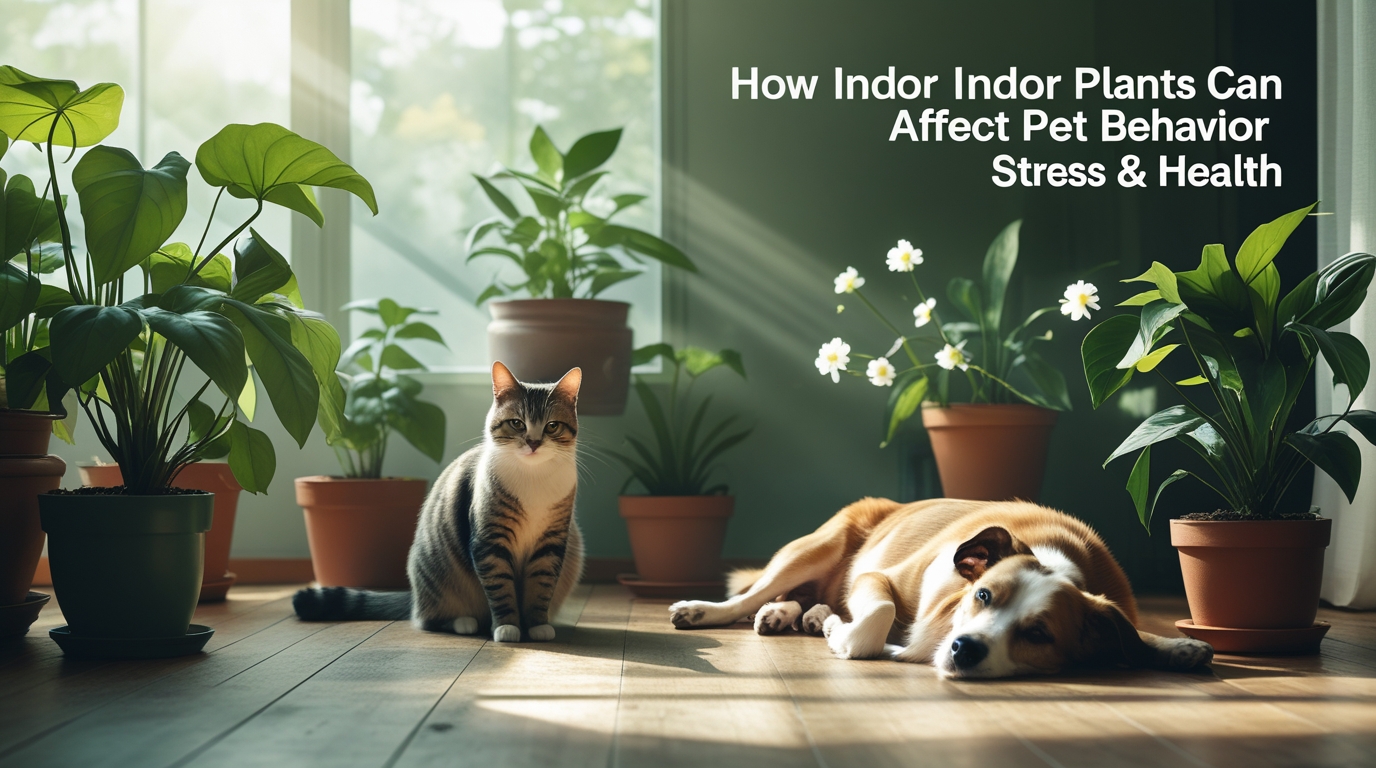
Indoor plants bring beauty, fresh air, and a touch of nature into our homes. For pet owners, they also influence daily life for cats, dogs, and other companions.
Plants make the house atmosphere more pleasant, and at the same time, they may have a little impact on the behavior of your pet, its stress level, and health. Knowing these things enables you to make your home a safe, enriching place where your pets can flourish.
Animals sense their environment through the 4 primary senses, which are sight, smell, touch, and taste. One might think of indoor plants as lures that not only pull the pets close but also keep their minds stimulated through the process of discovering the plants.
The cat likely will play with the leaves, and a dog may demand to smell, push, or even very gently chew the non-toxic plants. These kinds of activities fulfill the animals’ instinctive needs and also can lessen boredom or damage in other parts of the house.
At times, even the plants that are considered safe can overexcite the pets. Moreover, the other factors present at home, such as noise or sudden changes in routine, might also lead to stress.
Animals are very perceptive when it comes to the environment, and thus have the ability to experience stress due to different factors. Even indoor plants can contribute to pets’ anxiety indirectly, mainly in cases of frequent leaf fall, soil spillage, or a strong smell.
The most widely recognized stress signs are:
Environmental stressors, like toxic or overly stimulating indoor plants, can affect pets’ behavior and sometimes lead to repeated veterinary visits.
Understanding how to recognize and manage these stressors not only helps pet owners improve their pets’ well-being but also provides valuable insight for those pursuing veterinary careers.
Plant toxicity in pets is a problem that should not be ignored. Some houseplants can cause damage if ingested. Symptoms can range from drooling, vomiting, to the failure of organs, as well as the malfunctioning of the central nervous system.
Nonetheless, even the non-toxic varieties should be supervised if the quantities are large when consumed by the pets. The advantage of using the pet-safe plants is that the pets are able to roam without posing any danger to their well-being.
It helps to monitor plant consumption to avoid short-term problems, although it is essential to be aware of possible long-term consequences for your pet’s health.
The frequent intoxication of pet animals with toxic plants, though in low doses, may cause impairment to the organs and/or the pet’s digestive tract eventually. Pets living with the threat of being disturbed by plants might be stressed out, and their conditions might include anxiety, overeating, and stomach problems.
Yes, making some alterations in the living space can indeed be an effective way of relieving stress; however, there are certain habits that only a professional can take care of. When anxiety, aggression, or neurological signs (such as shaking, confusion, or loss of consciousness) become major concerns, an animal is likely facing health problems.
In certain situations, referral to a veterinary neurologist may be considered a last resort. And this pretty much sums up why having a well-staffed veterinary team is vital when dealing with special needs. By assessing the situation early, both environmental and medical factors are considered, and hence, the right treatment is given.
Veterinarians are capable of distinguishing between cases of stress, behavior issues, and medical conditions. Their directions are of great support in finding out the right preventive measures and treatments, thus ensuring the pet’s long-term health and well-being.
A pet-friendly indoor area provides a harmonious blend of safety, fun, and comfort. The careful choice of plants and their positioning helps to lessen the stress of the pets and, at the same time, invites them to explore.
Many things can be done practically to attain this:
Planning through planting is a way of engaging the pet’s mind, reducing its anxiety, and thereby indirectly promoting its overall health.
Houseplants and pets can easily coexist wonderfully, once owners understand how their home environment affects behavior and stress.
By choosing safe, non-toxic plants and watching how your pets interact with them, you can create a stimulating environment. Consulting a veterinarian when needed adds an extra layer of safety and guidance.
Thinking your plan out carefully creates a physically comfortable and emotionally appealing environment, making your home a haven for both the pets and their people.

Pet N Plants, a passionate group of authors who are devoted pet and nature enthusiasts. With over 15 years of experience in pet and plant care, our authors bring a wealth of knowledge and a deep love for all things flora and fauna. Each member of our team is dedicated to sharing insightful tips, detailed care guides, and the latest trends to help you nurture your beloved pets and plants. Whether you're a seasoned gardener or a pet parent, our experts are here to support your journey in creating a thriving, vibrant home environment for all your living companions.

0