
Latest
Pets
Golden Retriever Icon Tucker Budzyn Dies at 8September 10, 2026
We Value Every Life
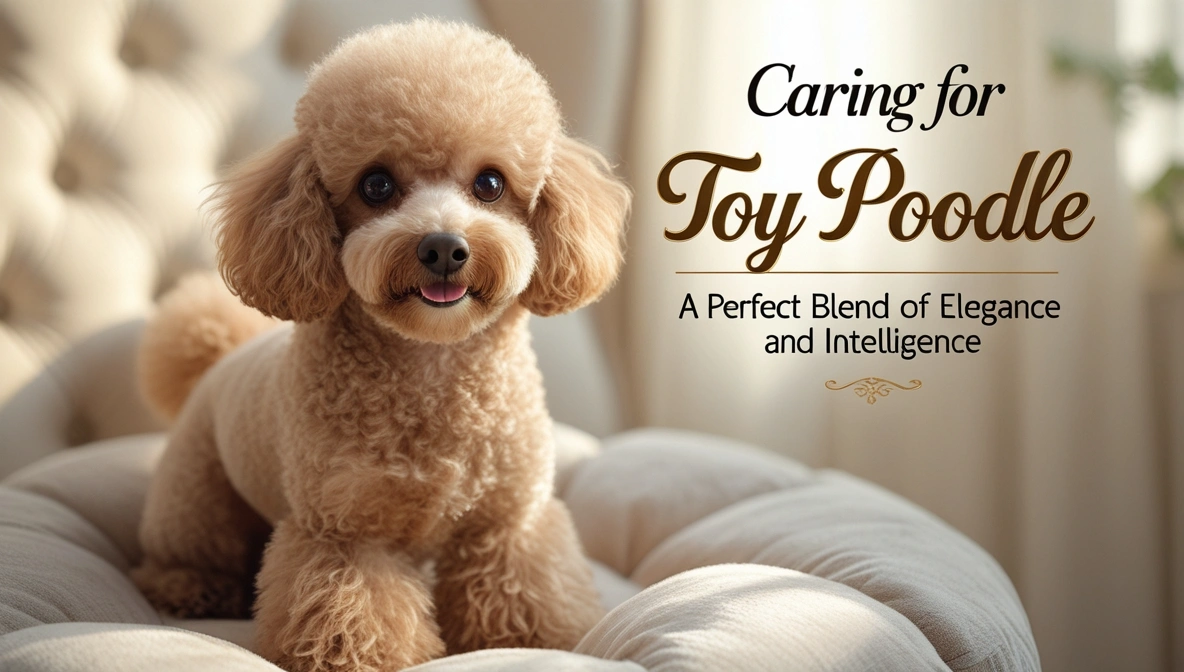
One of the most beloved dog breeds in the world, the toy poodle is known for its hypoallergenic coat, intelligence, and graceful appearance. If you are interested in Toy Poodles as a breed or just want to know more about them, reading up on their traits, care needs, and characteristics will help you get to know them better. Whether you’re new to caring for pups or just want to brush up on the fundamentals, this book has you covered.
The Toy Poodle is both an intelligent and fun canine breed. The Toy Poodle may just be four to six pounds and little more than ten inches tall, but her lively demeanor and boundless energy make her the life of the party.
Despite their common association with France, Standard Poodles really originated in Germany for duck hunting. The Poodle Club of America states that the smaller toy and miniature poodles are descended from the larger standard poodle.
Poodles have a long history of being highly regarded for their intelligence and agility, having been originally bred in Germany to retrieve ducks. Particularly, the French nobility and royalty commissioned the development of the Toy Poodle as a pet. The three recognized sizes of Poodles are tiny, standard, and toy. The toy poodle is the smallest at no more than 10 inches in height.
The Toy Poodle is a little dog breed that usually stands between 9 and 10 inches tall at the shoulder. They are light, weighing between 4 to 6 pounds when fully grown, making them an ideal size for a lap dog.
Toy Poodles are famous for their curly, dense coats that come in various colors including white, black, red, brown, and apricot. Their unique fur is relatively easy to maintain but does require regular grooming to prevent mats and tangles.
Toy Poodles, when given the right care, can live for quite a while—anywhere from twelve to fifteen years. Some who receive great care can even survive into their late teens.
Many consider toy poodle to be among the most intelligent dog breeds due to their high level of intellect. Because of their amiability and trainability, they are capable of learning a wide variety of tricks and jobs. Their stature belies their vivacious personality and boundless energy for play.
When around their family, Toy Poodles are friendly and loving, but they may be wary of new people. Being watchful and outspoken without being confrontational makes them great watchdogs.
Toy poodles are adaptable and may thrive in a wide range of environments, including city residences. Because of their hypoallergenic coat, they are an excellent choice for households where someone suffers from allergies. However, households with young children should keep an eye on interactions to make sure the dog is safe because of its small size.
On a well-rounded diet, Toy Poodles, like all dogs, can flourish. It’s crucial to feed your dog high-quality food that is suitable for its size, age, and amount of exercise. They tend to have dental problems, so dry kibble is a good way to keep their teeth healthy.
Even though they are small, Toy Poodles are full of life and energy, so it’s important to keep them active. They get all the exercise they need from daily walks and a few play sessions.
While toy poodles seem to be healthy on the whole, they are susceptible to a few common ailments. Some examples of such conditions are hip dysplasia, epilepsy, and the blood clotting disorder von Willebrand’s disease. Visiting a vet on a regular basis can help detect and treat these problems before they worsen.
Two or three meals a day should be plenty for a Toy Poodle, given their small size. On the other hand, to keep their blood sugar levels stable, toy poodle puppies should get three or four little meals daily.
Toy Poodle calorie needs can vary greatly from one dog to another and from one puppy to another due to factors including size, metabolism, neuter status, and degree of physical activity. Consult your vet; they will be able to assess how many calories your Toy Poodle requires each day. Dog owners can also find helpful information on the labels of dog food that serve as feeding guides.
Omega-3 fatty acids (DHA/EPA) supplementation may be beneficial for toy poodles. Supplements for the skin and joints, fish oil, and even some dog meals with added omega-3 fatty acids are available. A dog’s skin, hair, kidneys, joints, and heart can all benefit from these fatty acids’ anti-inflammatory properties.
To maintain a healthy coat, Toy Poodles need to be groomed frequently. This entails professional grooming every four to six weeks and frequent brushing. To keep yourself healthy, you should also trim your nails and clean your ears regularly.
In addition to being cute, Toy Poodles are great companions for families. Because of their high intelligence and want to please, they are very trainable. A daily walk and play session is still beneficial, even if their exercise needs are lower than those of many other dog breeds.
All poodle sizes require constant attention from their owners because to their thick, curly fur. They need to have their coats trimmed every four to six weeks since they grow new coats constantly. Additionally, Toy Poodles aren’t known to shed much, making them a good option for those who suffer from dog allergies. But a dog that is absolutely “hypoallergenic” does not exist. Before officially taking a Toy Poodle puppy into their house, those with allergies should spend some time with the breed.
It is essential to socialize and train Toy Poodles early on. Treats and praises work wonders as positive reinforcement methods with them. They are bright and ready to learn, so training should start early. All toy poodles desire is to make their owners happy. What makes them an exceptionally trainable breed is their intelligence. Positive reinforcement, in the form of praise and sweet goodies, is the cornerstone of effective training. However, watch out that you don’t stuff them silly with treats! Exciting Things to Do with a Toy Poodle:
The price tag for a purebred Toy Poodle puppy can range from $1,200 to $3,000. Some breeds of dog may be more expensive than others. You could also be able to find poodles and mixes in shelters and rescue groups.
Your Toy Poodle is likely already an emotional dog with a strong desire to fit in with your family. The breed’s innate intelligence allows it to sense its owners’ cues and respond before they even say a word. Some toys might be overly sensitive, which can make them clumsy, aggressive, or possessive. They could be distrustful of people they don’t know and bark at them quickly. The toy has a reputation for being unsuitable around young children, despite the fact that they make wonderful family pets.
Although Toy Poodles tend to be healthy in general, they can experience issues with their eyes, digestive system, heart, and skin from time to time. Their average lifespan is twelve to fifteen years, so you can still look forward to a long time of enjoyment with your Toy. You can help keep your dog healthy for many years to come by taking it to the vet on a regular basis, as is the case with all canines.
In addition to being wonderful companions, Toy Poodles make great watchdogs, performers, and devoted pals. Because of their petite stature and amiable temperament, they make wonderful pets for city dwellers and older kids and adults.
The choice to purchase or obtain a Toy Poodle through adoption is a significant one. Instead of purchasing from a breeder, prospective owners should think about adopting from a shelter or rescuing an animal. You should only buy a puppy from a trustworthy breeder who takes the dog’s health seriously and breeds only from healthy parents.
Many families find the toy poodle to be the perfect fit since it is a charming breed that can adapt to different environments and personalities. Their kind demeanour, small stature, and high level of intelligence make them more than just pets—they’re like family. A Toy Poodle will bring joy and companionship into your life in plenty, so think twice before getting one.

Pet N Plants, a passionate group of authors who are devoted pet and nature enthusiasts. With over 15 years of experience in pet and plant care, our authors bring a wealth of knowledge and a deep love for all things flora and fauna. Each member of our team is dedicated to sharing insightful tips, detailed care guides, and the latest trends to help you nurture your beloved pets and plants. Whether you're a seasoned gardener or a pet parent, our experts are here to support your journey in creating a thriving, vibrant home environment for all your living companions.


0